
Vapor Barrier Installation in Summerville, SC
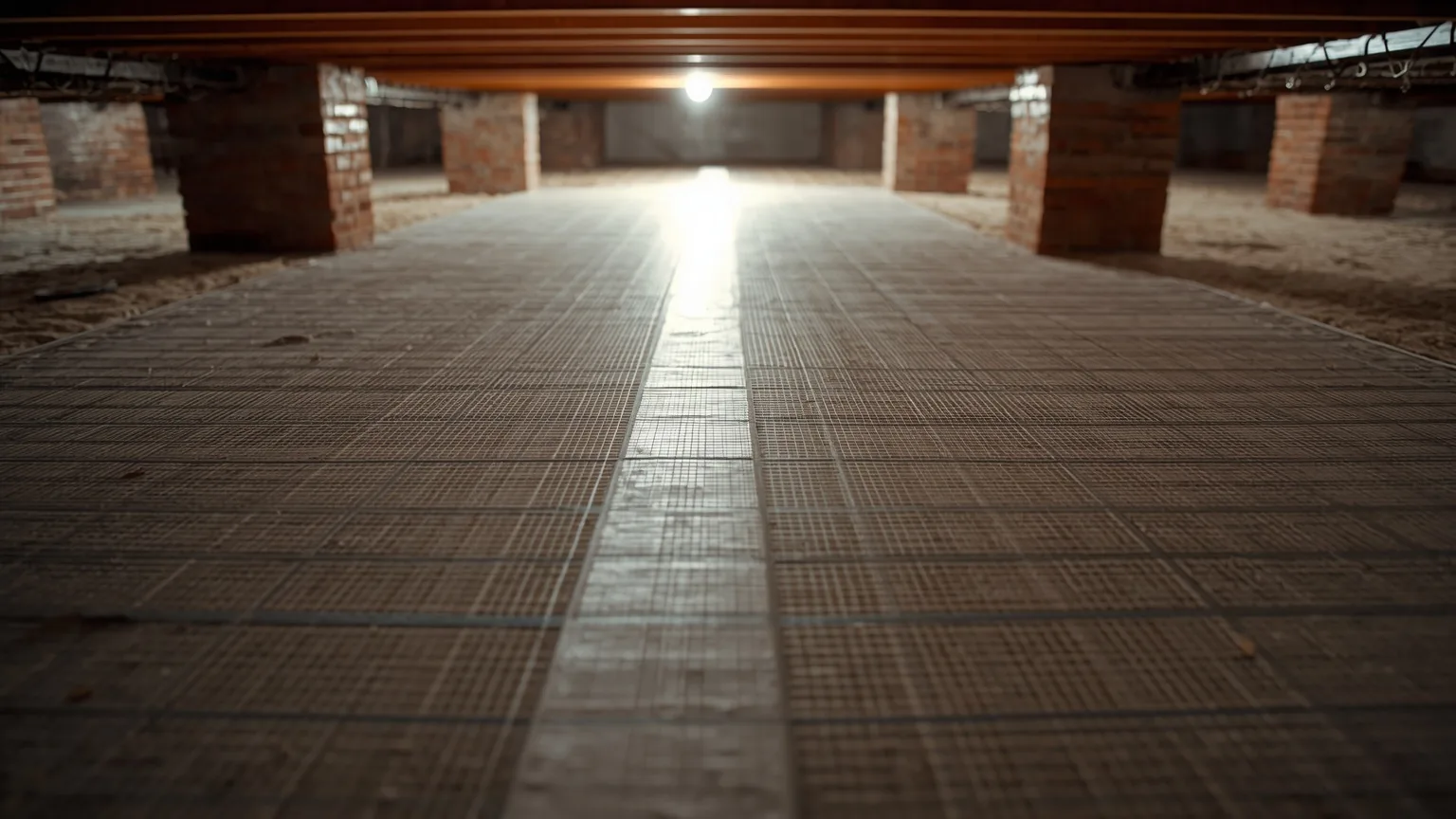
A vapor barrier covers the exposed ground so soil moisture stops evaporating up into the space. It is the cheapest meaningful step available, and on the right house it is genuinely enough.
Who handles vapor barrier installation in Summerville, SC?
Summerville Crawl Space Solutions arranges vapor barrier installation across Summerville and nearby Dorchester County communities. South Carolina's residential code requires exposed ground in a sealed crawl space to be covered with a Class I vapor retarder with joints lapped and sealed, and expects a termite inspection strip to remain visible — two details worth checking on any quote. Call (843) 428-8285 to arrange an evaluation.
What the code actually specifies
Section R408.3 of the residential code covers the sealed crawl space. It requires the exposed ground to be covered with a Class I vapor retarder, with joints lapped and sealed, and it lists the conditions under which the vents may be closed.
It also expects the liner to stop short of the wood framing so a termite inspection strip stays visible. That detail is easy to lose on a fast installation and it is worth asking about specifically.
Vapor barrier and full encapsulation are different purchases
A vapor barrier covers the ground. Full encapsulation adds the foundation walls, seals the vents, and introduces a drying method. Those additions are what change the humidity the house actually experiences.
On a dry, reasonably tight space, ground cover alone removes a continuous moisture source for a fraction of the cost. On a space with open vents and humid air moving through it, a ground cover alone will disappoint — the air is the source, and the liner is not addressing it.
What affects the cost
Square footage of ground, the thickness and class of liner specified, whether the walls are included, the clearance available to work in, the size of the access opening material has to come through, and how much debris or old failed insulation has to come out first.
Removal is the line item most often left off a cheap quote. A space with decades of collapsed fibreglass on the floor has to be cleared before anything is laid, and that is labour.
When it is the right call on its own
Where the ground is bare, the space is dry, clearance is tight and budget is real, covering the ground is frequently the highest-value thing that can be done and nothing is wasted if you stop there.
Where there is liquid water, it is not the right first step — waterproofing comes first, or the liner simply covers the water.
When to get an evaluation
If the ground is bare, if an old liner is torn or has been walked to pieces, or if nobody can tell you what class of material is down there, it is worth having someone look.
A useful quote states the material class, whether walls are included, whether the inspection strip is preserved, and what removal is priced in.
Termites are a live consideration here, not a footnote
The Lowcountry has long-established populations of aggressive subterranean termites, and Clemson Cooperative Extension publishes South Carolina-specific guidance on them. That is the practical reason the code expects a visible inspection strip between the liner and the wood.
A liner run tight to the framing looks tidier and makes an annual inspection harder, which is a poor trade on a house in this part of the state.
Vapor Barrier Installation questions
What thickness of liner does the code require?
The code specifies a Class I vapor retarder rather than a single thickness, with joints lapped and sealed. What matters commercially is that the quote names the class and standard it meets rather than only a millage figure.
Is a vapor barrier the same as encapsulation?
No. A vapor barrier covers the ground. Encapsulation adds wall liner, vent sealing and a drying method — which is what actually changes the humidity in the space.
Should the liner run up the walls?
In a full sealed system, yes, stopping short of the framing so a termite inspection strip stays visible. In a ground-cover-only job it usually does not, which is part of why it costs less.
Can a vapor barrier be installed over standing water?
It can be, and it should not be. The water is still there afterwards, now under a sheet of plastic where nobody will see it until the framing tells you.
How long does one last?
That depends far more on traffic and on installation quality than on the material. Liners fail at seams and where people crawl over them, which is why lapped, sealed joints and a reinforced product matter on a space anyone will re-enter.
Related crawl space services
Crawl Space Encapsulation
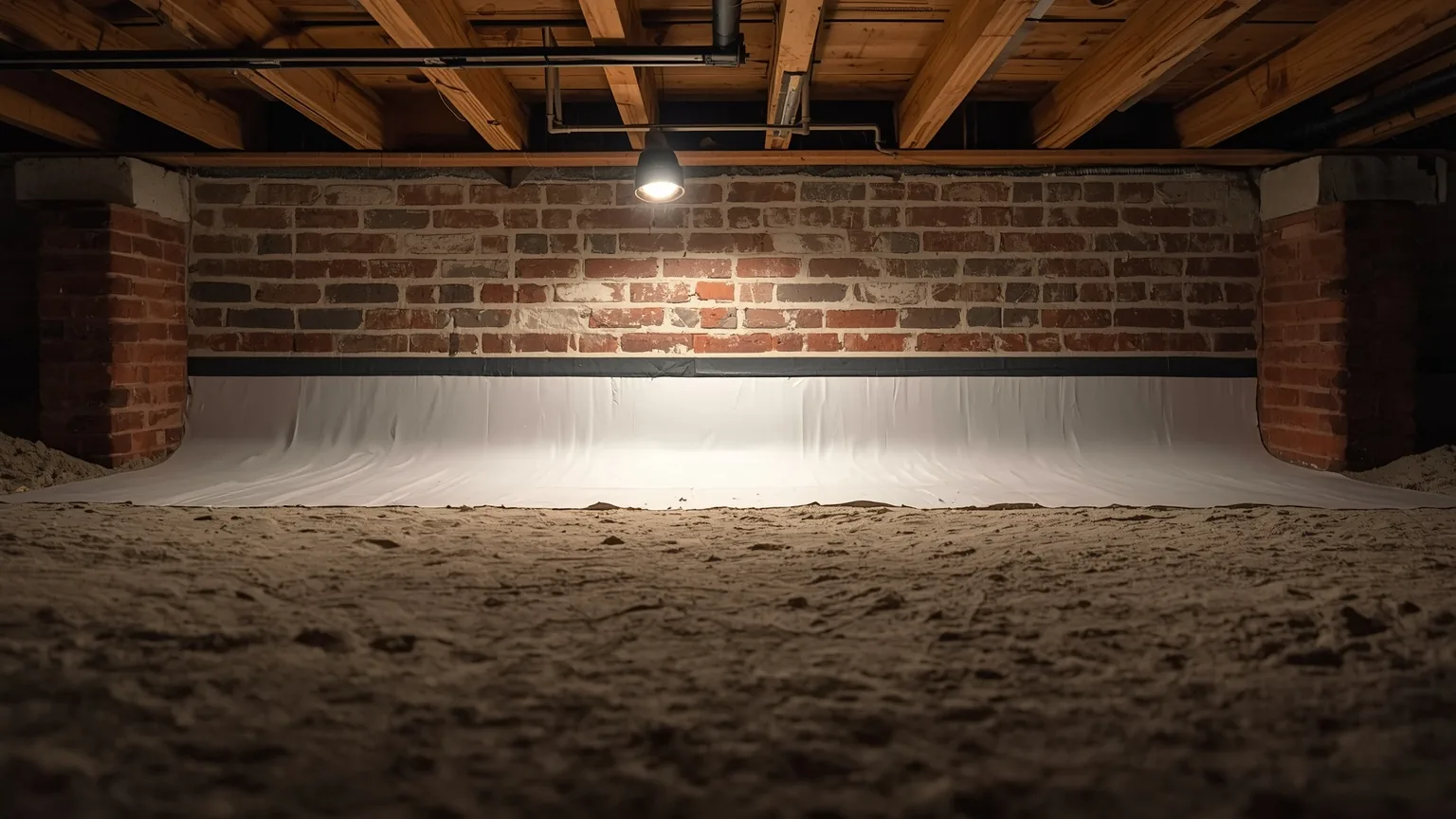
The full sealed system — liner, closed vents and humidity managed afterwards.
Crawl Space Moisture Control
Which of four sources you actually have, and what that means you should buy.
Crawl Space Waterproofing
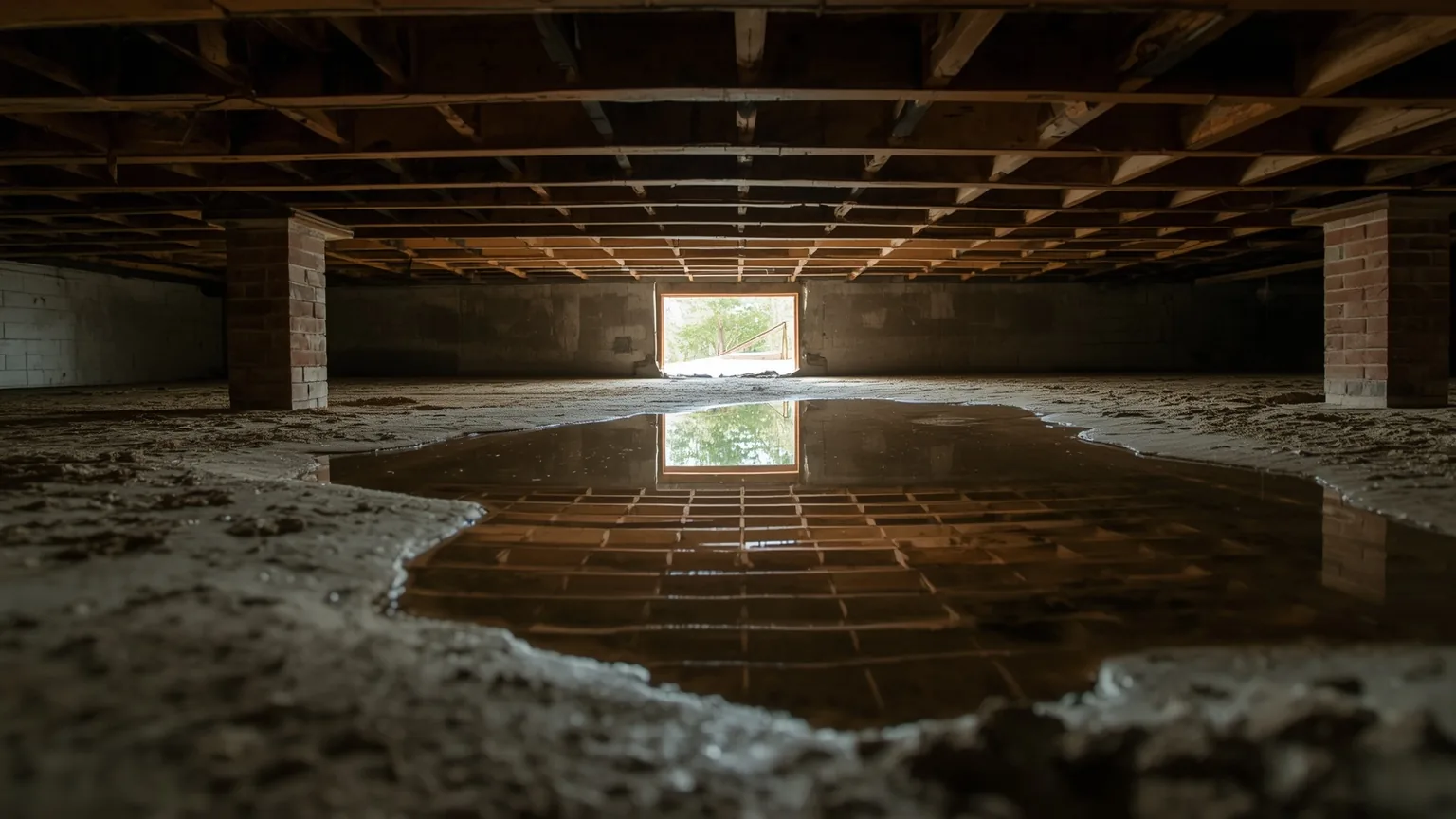
Liquid water traced to its actual route in — then stopped, before sealing.
Crawl Space Cost
What moves the figure here — and the questions that make quotes comparable.
Find out what is actually causing it.
Someone under the house, moisture readings taken, and the scope written down before a price is attached.