
Crawl Space Repair in Summerville, SC
Repair addresses framing and supports that moisture has already damaged. The difficult part is rarely the carpentry — it is deciding what genuinely needs replacing and what has simply looked bad for thirty years.
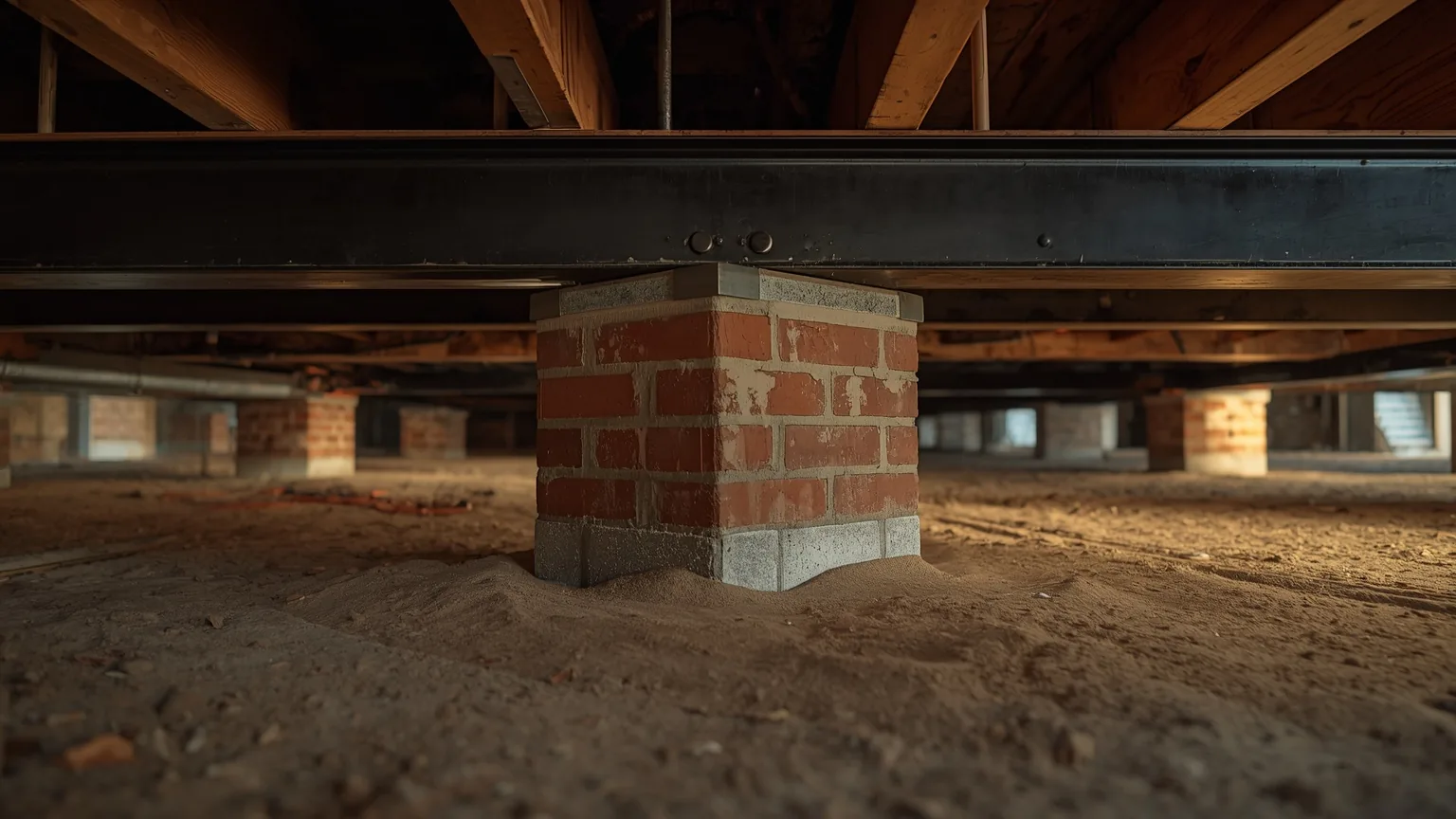
Who handles crawl space repair in Summerville, SC?
Summerville Crawl Space Solutions arranges crawl space repair across Summerville and nearby Dorchester County communities — joists and girders with decay, supports that have moved, and the water source that caused it. Repair is scoped after the moisture source is identified, because replacing wood without stopping the water buys the same repair again. Call (843) 428-8285 to arrange an evaluation.
What usually needs repairing
In this climate the common findings are joist ends and girders with decay where they meet a damp support, subfloor that has softened, fungal growth on framing, and piers or posts that have settled or lost bearing.
Fibreglass insulation on the ground is a symptom rather than a repair item — it absorbed moisture, gained weight and let go, and re-stapling it changes nothing about why.
Old settlement and active movement are not the same finding
Old settlement and active movement look almost identical from inside the house and cost very different amounts to address, so the distinction is worth real money. A floor that has sloped gently for decades, with dry framing underneath and no fresh cracking, is frequently a characteristic of the house rather than a defect — and levelling it can cost a great deal while disturbing finishes that were fine.
Active movement leaves different evidence: framing that reads wet on a meter, fungal growth that is spreading rather than historic, a support visibly off its bearing, cracking that is new. That is what warrants repair. A good assessment tells you which of the two you have instead of quoting both the same way.
Why the sequence is not negotiable
Water first, then ground cover, then air, then any sealing. Replacing a girder under a space that still takes water is buying the same repair a second time, and encapsulating over damaged framing puts a liner between you and a problem that is still developing.
Where liquid water is present, waterproofing comes before any of it.
What affects the cost
The variables are how many members are affected and how far the decay runs, whether a member can be sistered or has to be replaced outright, how much temporary support is needed to take the load while work happens, clearance and access, and whether the water source has to be resolved as part of the same job.
A member that can be sistered alongside is a fraction of the cost of one that has to come out. Which applies is a judgement made on a meter, under the house — not from a photograph.
Where an engineer comes in
Most crawl space repair is carpentry and does not need one. A structural engineer is worth the fee when the movement is active and the cause is genuinely unclear, when a proposed fix involves changing how the house is supported, or when a contractor's diagnosis and the visible evidence do not line up.
An independent opinion also gives you a scope written by somebody with no work to sell, which is occasionally the most useful thing you can buy.
When to get an evaluation
Soft or bouncing floors, a persistent musty smell, visible fungal growth, or a door that has started sticking without any other explanation are all reasons to have someone go under the house with a moisture meter.
What a useful assessment produces is readings at several points, a named water source, and an itemised scope in sequence with exclusions stated — so you can stop after any stage and still have bought something worthwhile.
It is the length of the humid season, not one storm
Damage under a house here accumulates from months of high dew points rather than from any single weather event. A crawl space that spends a long summer above the moisture content where decay fungi become active loses a little capacity each season, which is why problems tend to appear all at once years after they began.
That is also why a dry inspection in February can be genuinely misleading about how a space behaves in August.
Crawl Space Repair questions
How do I know whether the movement is still happening?
Moisture readings and the condition of the supports usually settle it. Framing that reads dry, fungal growth that is historic rather than spreading, and no fresh cracking generally point to movement that finished long ago. Wet framing, active growth or a support off its bearing point the other way.
Can damaged joists be repaired instead of replaced?
Often, yes — sistering a sound member alongside the damaged one is common and costs far less than replacement. It depends on how far the decay runs and whether the bearing points are still sound, which is a judgement made under the house.
Does repair have to happen before encapsulation?
Yes, and before waterproofing too if there is liquid water. Sealing over framing that is still wet or still moving means the liner hides the evidence while the problem continues.
Do I need a structural engineer?
Usually not. It is worth it when movement is active and the cause is unclear, when the proposed fix changes how the house is supported, or when the diagnosis and the visible evidence do not agree.
Is a sloping floor always a problem?
No. Long-settled movement with dry framing and no fresh cracking is often just how an older house sits. What matters is whether it is still moving, which readings and a look at the supports will establish.
Related crawl space services
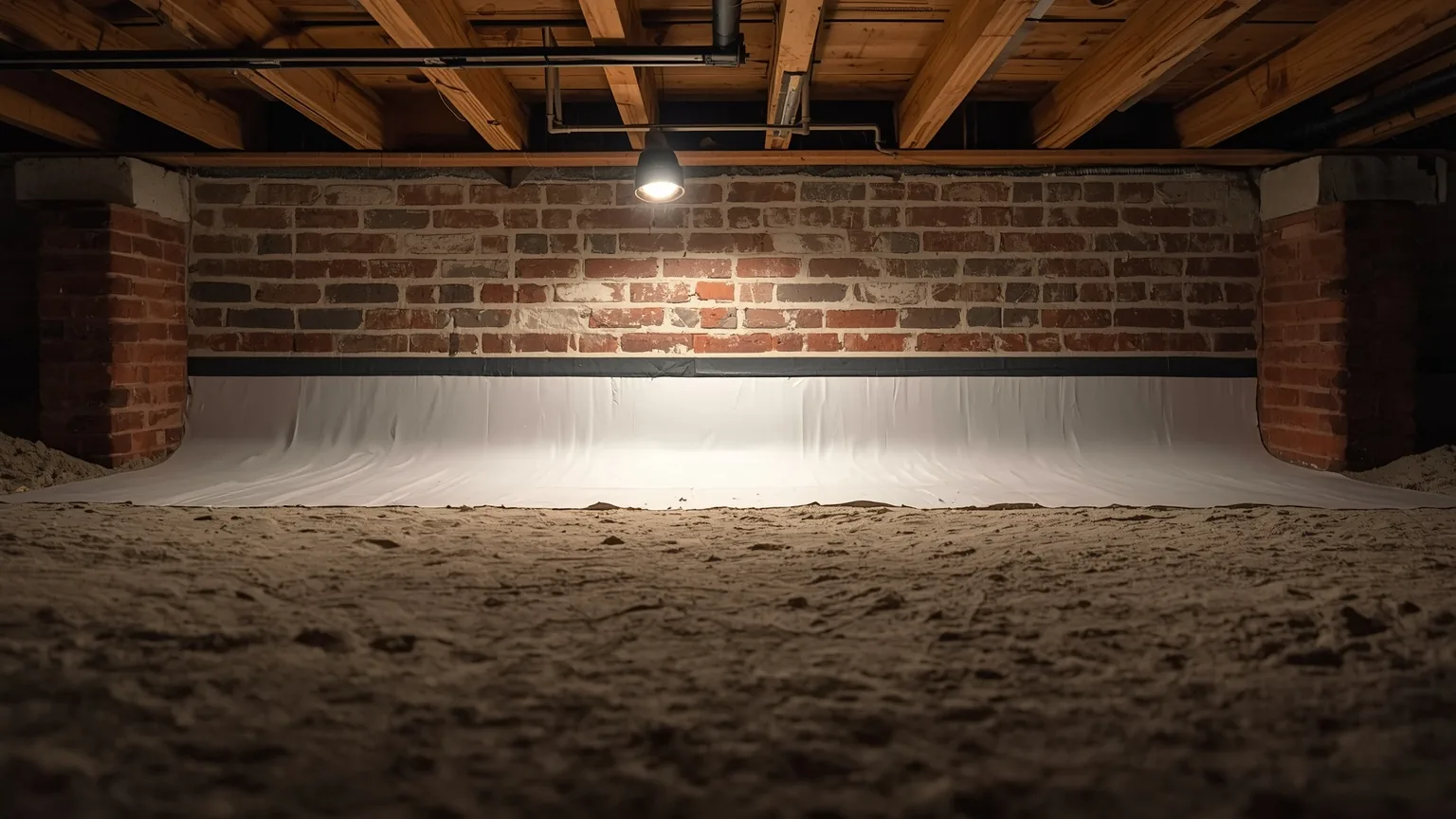
Crawl Space Encapsulation
The full sealed system — liner, closed vents and humidity managed afterwards.
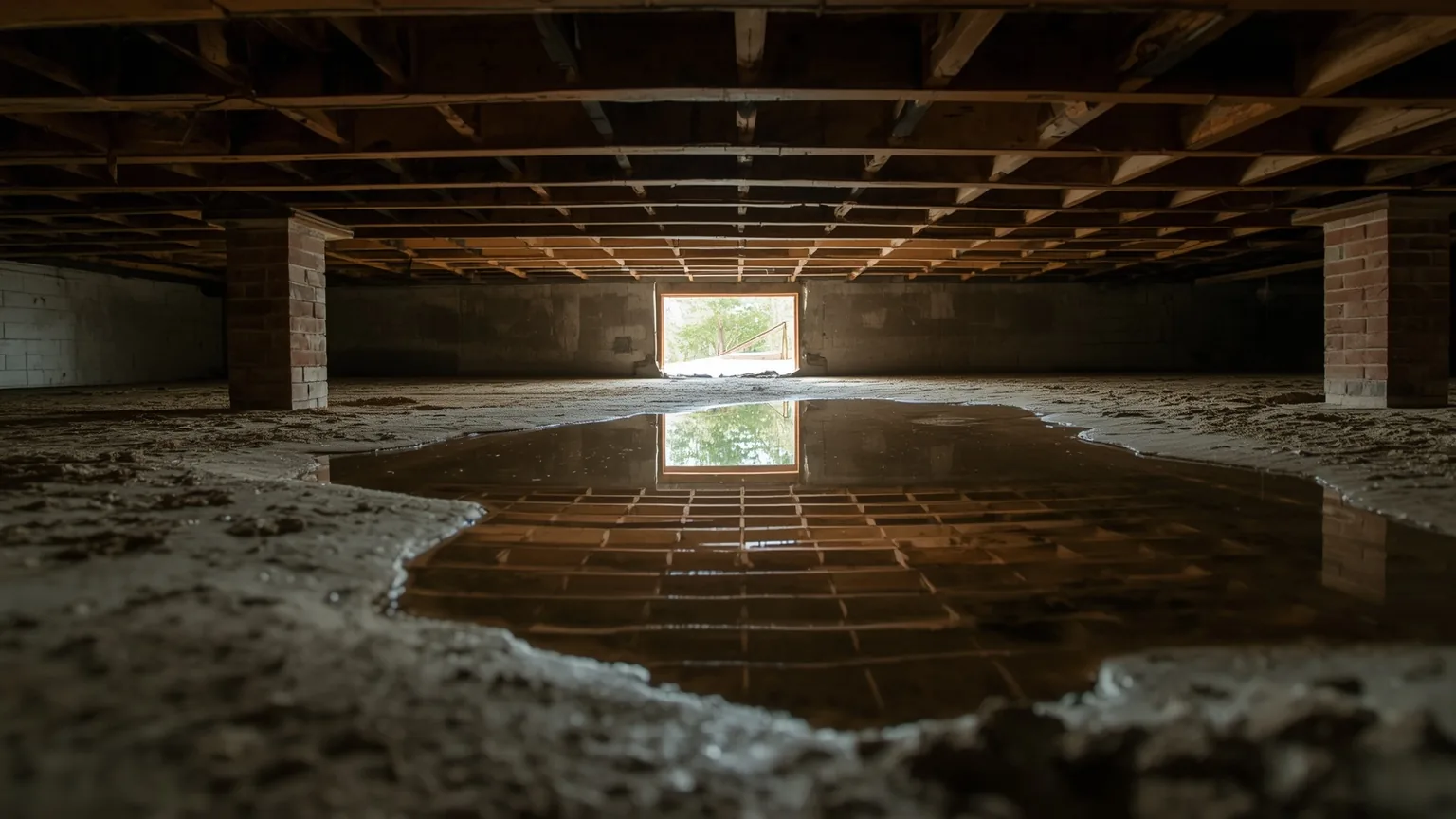
Crawl Space Waterproofing
Liquid water traced to its actual route in — then stopped, before sealing.
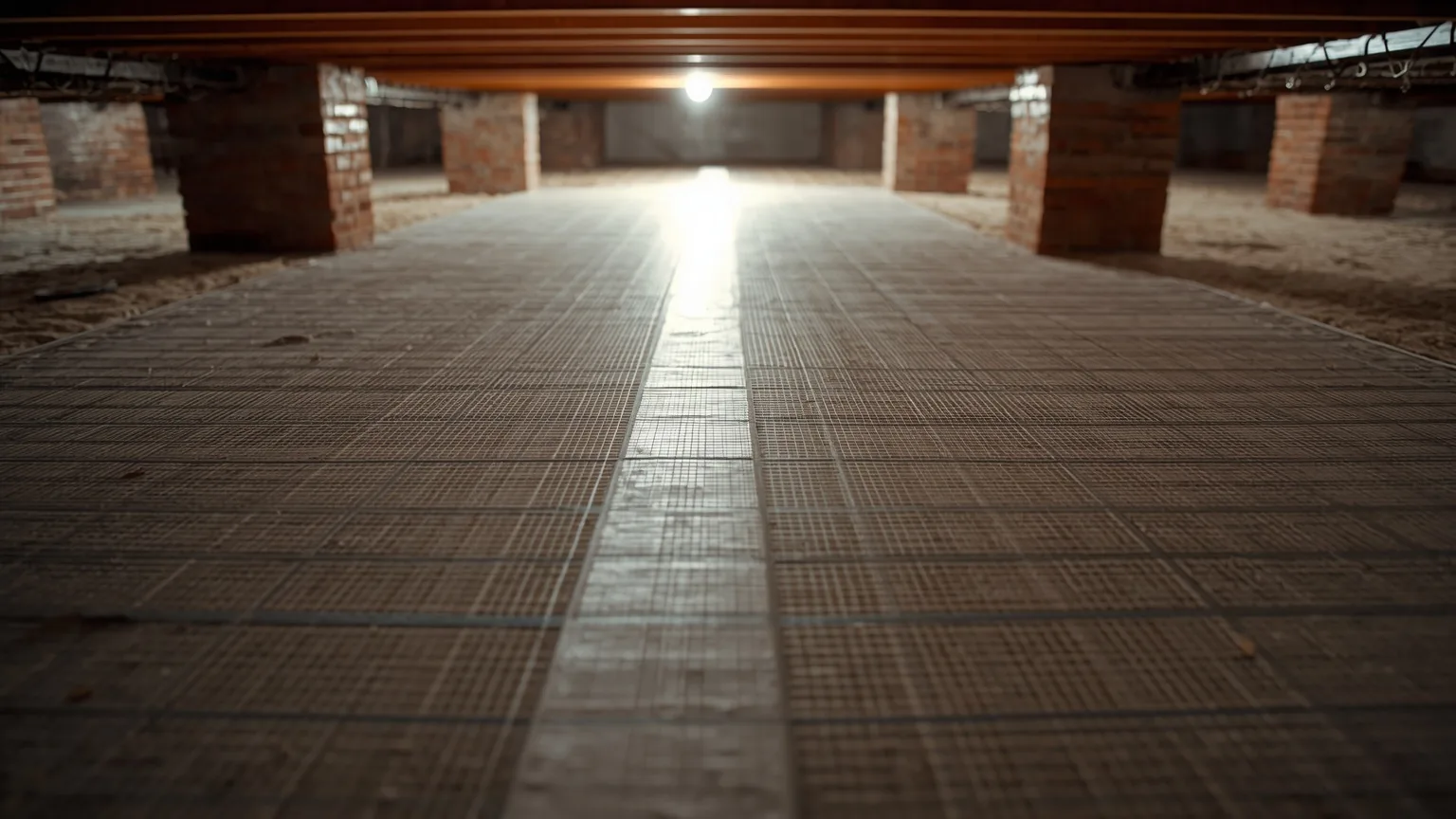
Crawl Space Moisture Control
Which of four sources you actually have, and what that means you should buy.
Crawl Space Cost
What moves the figure here — and the questions that make quotes comparable.
Find out what is actually causing it.
Someone under the house, moisture readings taken, and the scope written down before a price is attached.