
Crawl Space Encapsulation & Repair in Summerville, SC
A damp crawl space here is usually an air problem before it is a water problem. We find which of the four moisture sources you actually have — humid air, open ground, surface water or a leak — and scope the fix in that order.
Who does crawl space encapsulation in Summerville, SC?
arranges crawl space encapsulation, waterproofing and repair across Summerville and nearby Dorchester County communities — sealed liner over the ground and walls, vents closed, drainage where liquid water is present, and the mechanical drying South Carolina's code requires alongside a closed crawl space.
Four sources, four different jobs
Almost every damp crawl space in this area comes down to one of four things: humid outside air condensing on cool surfaces, vapour rising out of open ground, liquid water arriving from outside, or a plumbing leak.
They cause similar-looking damage and they are completely different purchases. Identifying which one you have is the whole job of an evaluation, and it is the difference between a few hundred dollars of grading and a full sealed system.
Standing water or high humidity — they are not the same problem
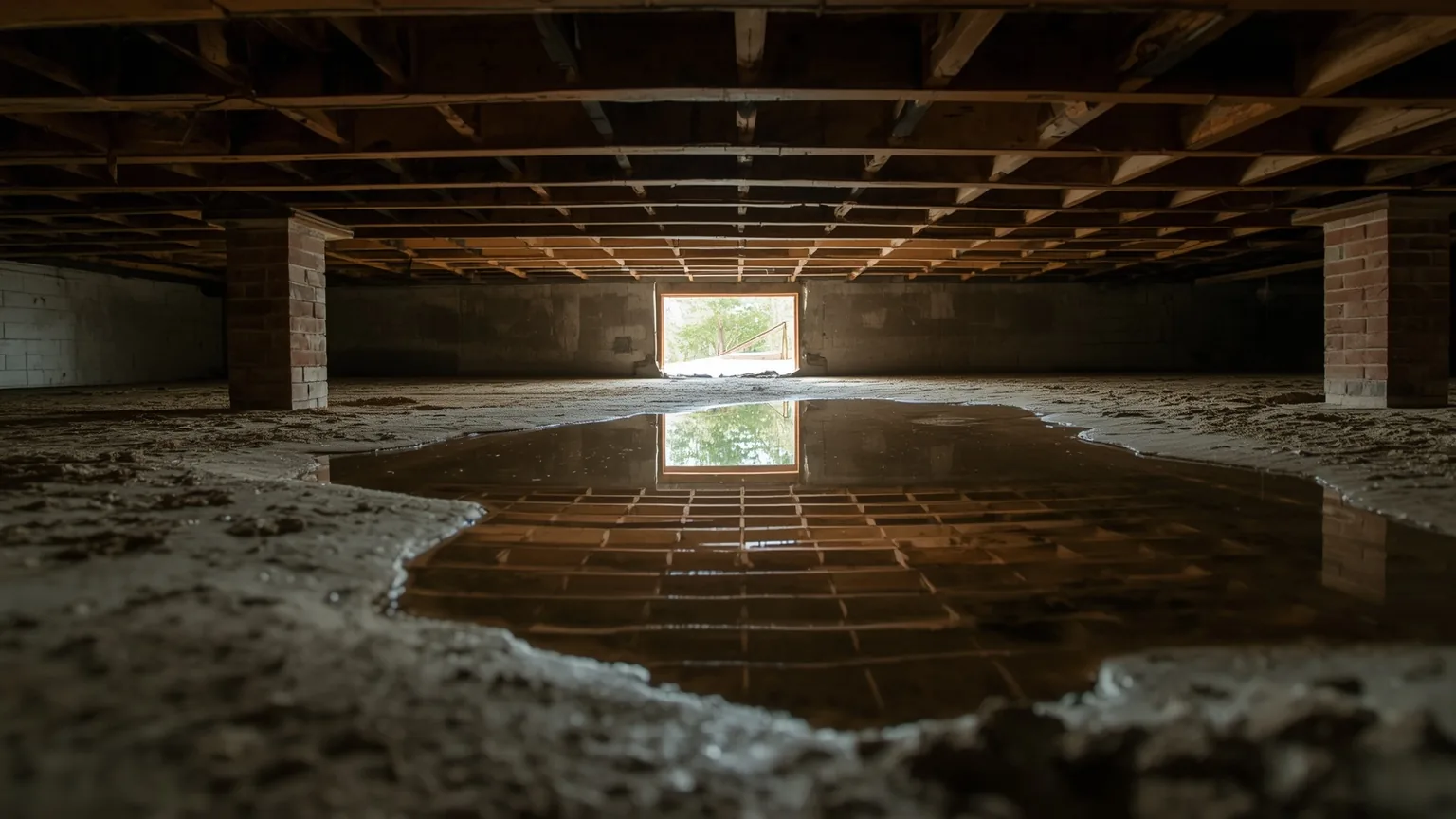
Standing water is liquid. It arrives after rain, leaves a tide line or silt fans, and it is solved with grading, drainage and sometimes a sump. High humidity is vapour. It is often worst during a hot stretch with no rain at all, it shows as condensation on ducts and pipes, and it is solved with a liner and a drying method.
A dehumidifier will not touch standing water and a sump pump will not change the humidity of the air. Buying the wrong one is the most common way to spend money here without changing anything.
Why the vents are often the route in
Warm outdoor air holds far more moisture than cool air. When it comes through the foundation vents and meets ductwork, water lines or the underside of the subfloor sitting below its dew point, that moisture condenses onto those surfaces.
So the vents installed to keep a crawl space dry can be exactly how the water gets in, and the space is frequently at its worst in a dry, hot week.
What South Carolina's code asks of a sealed crawl space
Section R408.3 of the residential code requires exposed ground in a sealed crawl space to be covered with a Class I vapor retarder, joints lapped and sealed, and permits the vents to be closed only alongside one of the listed drying methods — continuous ventilation, conditioned air, or a dehumidifier.
It also expects a termite inspection strip to stay visible between liner and framing. The value of a published standard is that you can hold a proposal to it rather than to whoever sounded most confident.
You can stop after any stage
Not every crawl space needs the full system, and the order matters more than the total. Fixing surface water and grading is cheap and is often the whole problem. Covering the ground removes a continuous source for a fraction of the cost of sealing. Sealing and drying is the last stage, not the first.
Each stands on its own and none of it is wasted if you stop after one — the cost page sets out the sequence and the six questions that make two quotes comparable.
Crawl space services in Summerville
Six genuinely different scopes of work. Which one you need depends on where the moisture is coming from — and that is a question with only four possible answers.
Encapsulation & Moisture
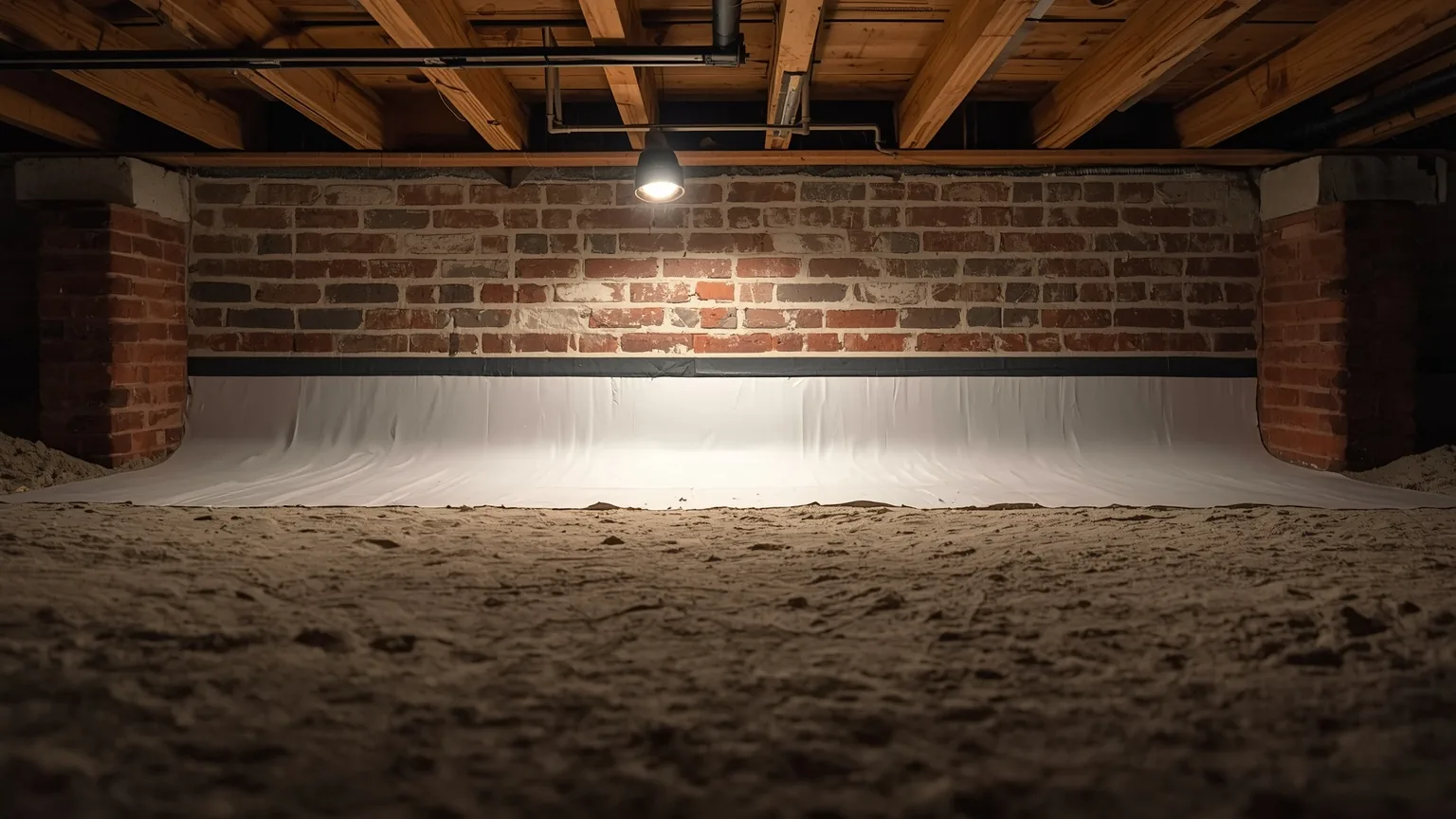
Crawl Space Encapsulation
The full sealed system — liner, closed vents and humidity managed afterwards.
Crawl Space Moisture Control
Which of four sources you actually have, and what that means you should buy.
Vapor Barrier Installation
Covering the ground to the code specification — often the best-value first move.
Water & Repair
What usually brings a Summerville homeowner here
Nearly all of it is noticed upstairs. The crawl space tends to be the last place anyone looks, which is why the cause often runs for years.
A musty smell every summer
Air moves upward through a house, so part of what you breathe on the ground floor came from beneath it. Seasonal timing points at humidity rather than a leak.
Condensation on ducts and pipes
Humid air reaching its dew point on cool metal. The water lands on the framing below and stays there long enough to matter.
Insulation hanging or on the ground
Fibreglass absorbs moisture, gains weight and lets go. Re-stapling it treats the symptom and changes nothing about the cause.
Standing water after rain
Drainage rather than vapour — and it has to be resolved before any liner goes down, or the liner simply covers it.
Floors that feel soft or bouncy
Worth a moisture meter rather than a guess. Framing held wet long enough becomes hospitable to decay fungi.
A door that started sticking
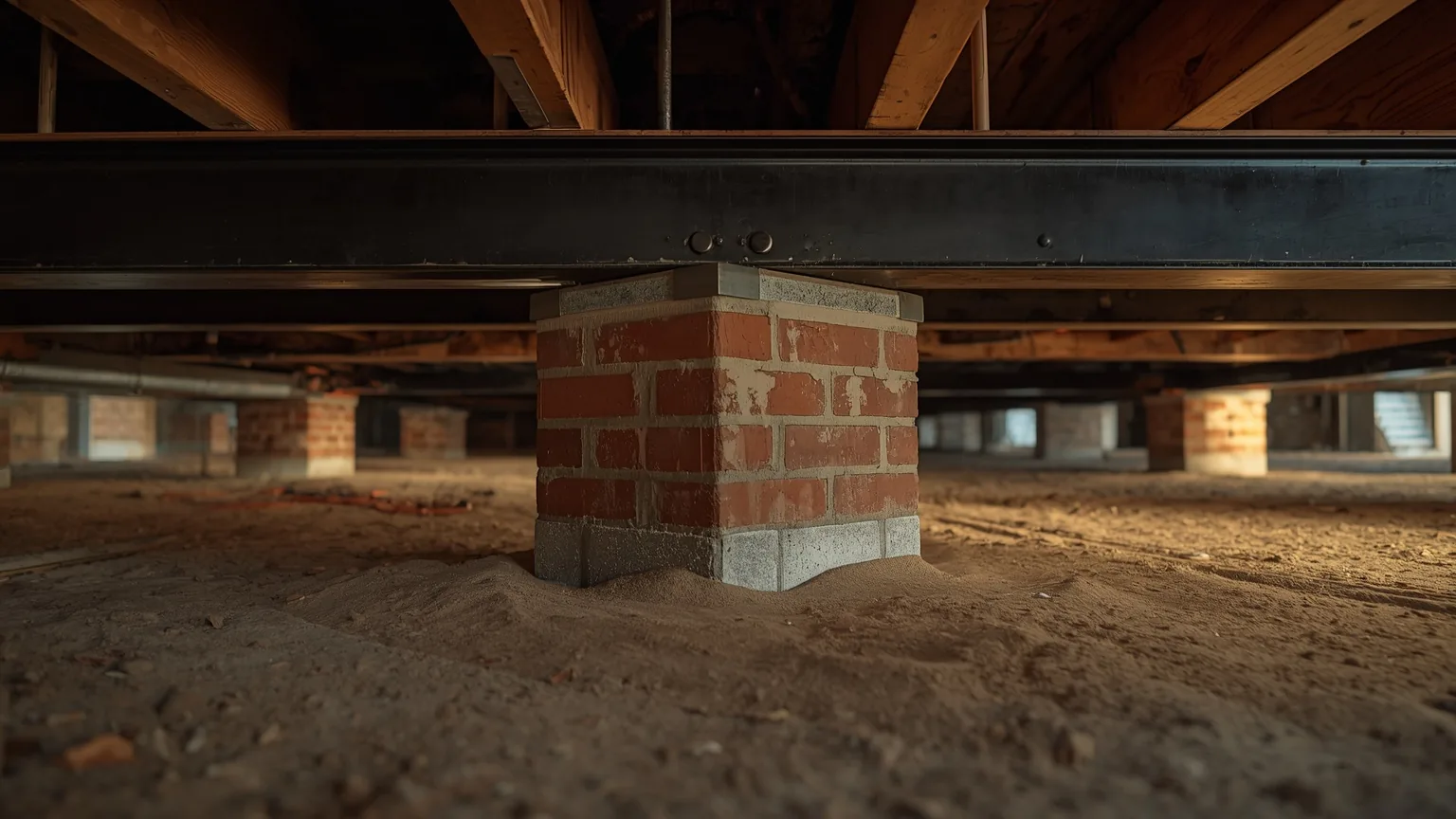
Sometimes seasonal movement, sometimes a support that has lost bearing. The difference is established underneath, not from inside.
How an evaluation works
- Someone gets under the house Clearance, access and the presence of liquid water set the entire scope, and none of the three can be judged from the hatch.
- The framing is measured Moisture content readings at several points, plus relative humidity — which separates framing that is wet now from framing damaged long ago and since dried.
- The water source is named Humid air, open ground, surface water or a leak. Different sources, different work, and getting it wrong is the expensive mistake.
- You get a scope in sequence Water, ground, air, drying — itemised, in order, with exclusions stated, so you can stop after any stage and still have bought something worthwhile.
Serving Summerville and nearby Dorchester County
Crawl space evaluations by appointment across Summerville and the surrounding Dorchester and Berkeley County communities. Coverage follows a contractor's routing for the week rather than a fixed boundary, though it is worth knowing that which office issues the permit changes at the town line.
Summerville · Ladson · Knightsville · Lincolnville · Ridgeville · Sangaree · Goose Creek · Moncks Corner
Full detail on the service area page.
Summerville crawl space questions
How much does crawl space encapsulation cost in Summerville?
There is no honest number before someone has been under the house — clearance, access and whether there is liquid water account for most of the spread between quotes on similar houses. The cost page sets out what drives the figure and the six questions that make two quotes genuinely comparable.
Is my problem standing water or humidity?
Timing is the best clue. Water that appears within a day of rain and leaves a tide line is liquid water. Dampness that is worst in a hot stretch with no rain, with condensation on ducts and pipes, is humidity. They are different purchases.
Do I need full encapsulation or just a vapor barrier?
On a dry, reasonably tight space, covering the ground removes a continuous moisture source for a fraction of the cost. Where the vents are open and humid air is moving through, ground cover alone will disappoint — the air is the source.
Does South Carolina require anything specific for a sealed crawl space?
Yes. Section R408.3 requires a Class I vapor retarder over the exposed ground with joints lapped and sealed, and permits the vents to be closed only alongside one of the listed drying methods. It also expects a visible termite inspection strip.
Will sealing the crawl space cause a moisture problem?
Not when the drying method goes in with it — which is exactly what the code requires. A space sealed with no means of drying is the failure that requirement exists to prevent.
Do you do the work yourselves?
No. Summerville Crawl Space Solutions is an advertising and lead-routing service. We connect homeowners with independent crawl space contractors, and the contractor who visits performs the work and holds the applicable licence and insurance.
Find out what is actually causing it.
An on-site evaluation with real moisture readings, and a written scope before anything is priced.
Call for a crawl space evaluation — (843) 428-8285
Would you rather write it down? Send the details through the form and you will get a call back.