
Crawl Space Waterproofing in Summerville, SC
Waterproofing deals with liquid water — water you could stand in, not humidity. It is the first stage of the sequence and the one that has to work before anything else is worth buying.
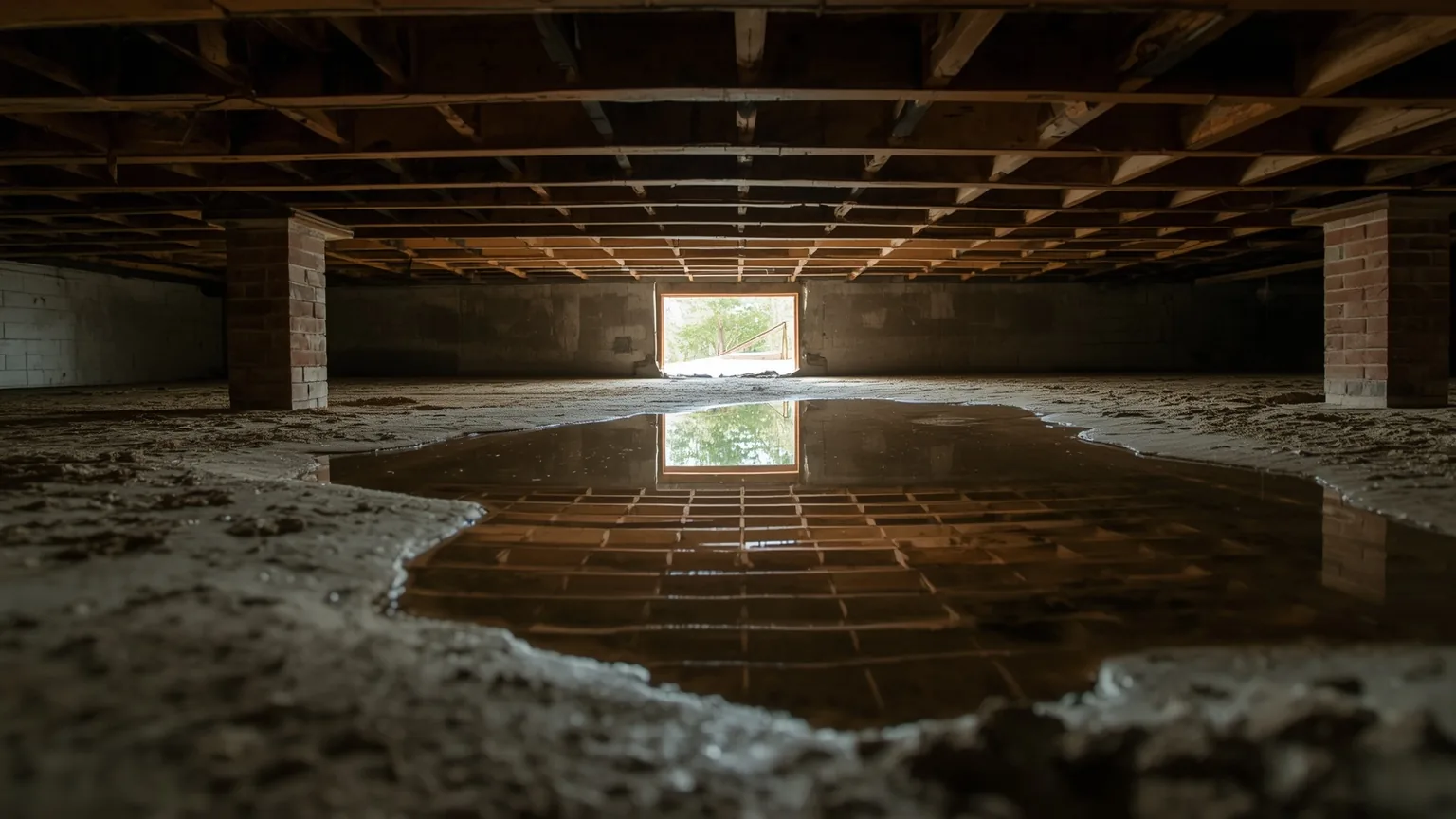
Who handles crawl space waterproofing in Summerville, SC?
Summerville Crawl Space Solutions arranges crawl space waterproofing across Summerville and nearby Dorchester County communities — surface water, groundwater and the drainage that handles them. Liquid water is resolved before a liner goes down, because a liner over standing water conceals the problem rather than fixing it. Call (843) 428-8285 to arrange an evaluation.
Standing water and high humidity are different problems
This is the single most useful distinction in the whole subject. Standing water is liquid — it arrives from outside, from a high water table, or from a leak, and it is solved with grading, drainage and sometimes a sump. High humidity is vapour — it arrives in the air or up out of open ground, and it is solved with a liner and a drying method.
They produce similar-looking damage and they have almost nothing in common as purchases. A dehumidifier will not touch standing water; a sump pump will not change the humidity of the air.
Where the water is actually getting in
Surface water from grading that falls toward the house, or from downspouts discharging next to the foundation, is the most common and the cheapest to fix. Groundwater rising through the floor of the space is a different matter and usually needs interior drainage and a sump.
A plumbing leak is the one worth ruling out early, because it is the only source that has nothing to do with the weather and it will defeat every other measure.
What affects the cost
Surface work — regrading, extending downspouts, clearing a blocked line — is cheap and is frequently the entire problem. Interior perimeter drainage is a different order of expense, and it depends on the running length of trench, whether the soil is workable, how far the discharge has to travel to daylight, and whether a sump basin and pump are needed at all.
Clearance matters here too: trenching a perimeter in a space with eighteen inches of headroom takes far longer than the same run in a space you can kneel in.
Why this comes first
Every later stage assumes the space is dry. A liner installed over ground that still takes water traps it underneath, and encapsulation priced before the water is resolved is priced for a space that does not exist yet.
If a contractor quotes sealing without asking where the water comes from, that is the question to ask them.
When to get an evaluation
Visible water after rain, a tide line on piers or the liner, a sump that runs constantly, or silt fans across the floor all indicate liquid water rather than humidity.
The assessment worth having identifies the route in, not just the presence of water — because the route decides whether this is a two-hundred-dollar grading job or a full perimeter system.
Sandy ground is not the same as dry ground
Sandy Coastal Plain soils common across the area often take surface water quickly, which can make a site look well drained after a storm. What that does not tell you is where the water table sits during a wet season.
In some homes a crawl space stays damp through a wet stretch even though the yard above it drains within hours — the ground under the floor is simply closer to the water than the ground beside it.
Crawl Space Waterproofing questions
How do I tell standing water from a humidity problem?
Timing and evidence. Water that appears within a day of rain and leaves a tide line or silt fans is liquid water. Dampness that is worst during a hot stretch with no rain at all, with condensation on ducts and pipes, is humidity.
Do I always need a sump pump?
No. A sump makes sense where water genuinely collects and there is nowhere for it to drain by gravity. Where the ground falls away from the house, drainage to daylight is simpler, cheaper and has nothing to fail.
Can grading and downspouts really fix it?
Surprisingly often, yes — surface water is the most common source and the cheapest to resolve. It is worth ruling out before anyone prices interior drainage.
Should waterproofing happen before encapsulation?
Always, where liquid water is present. Sealing a space that still takes water puts a liner over the problem instead of solving it.
Does the code say anything about this?
Indirectly. The residential code's sealed crawl space section assumes the ground is covered and the space is dried; it does not price your drainage, but a space that still takes liquid water cannot meet the intent of it.
Related crawl space services
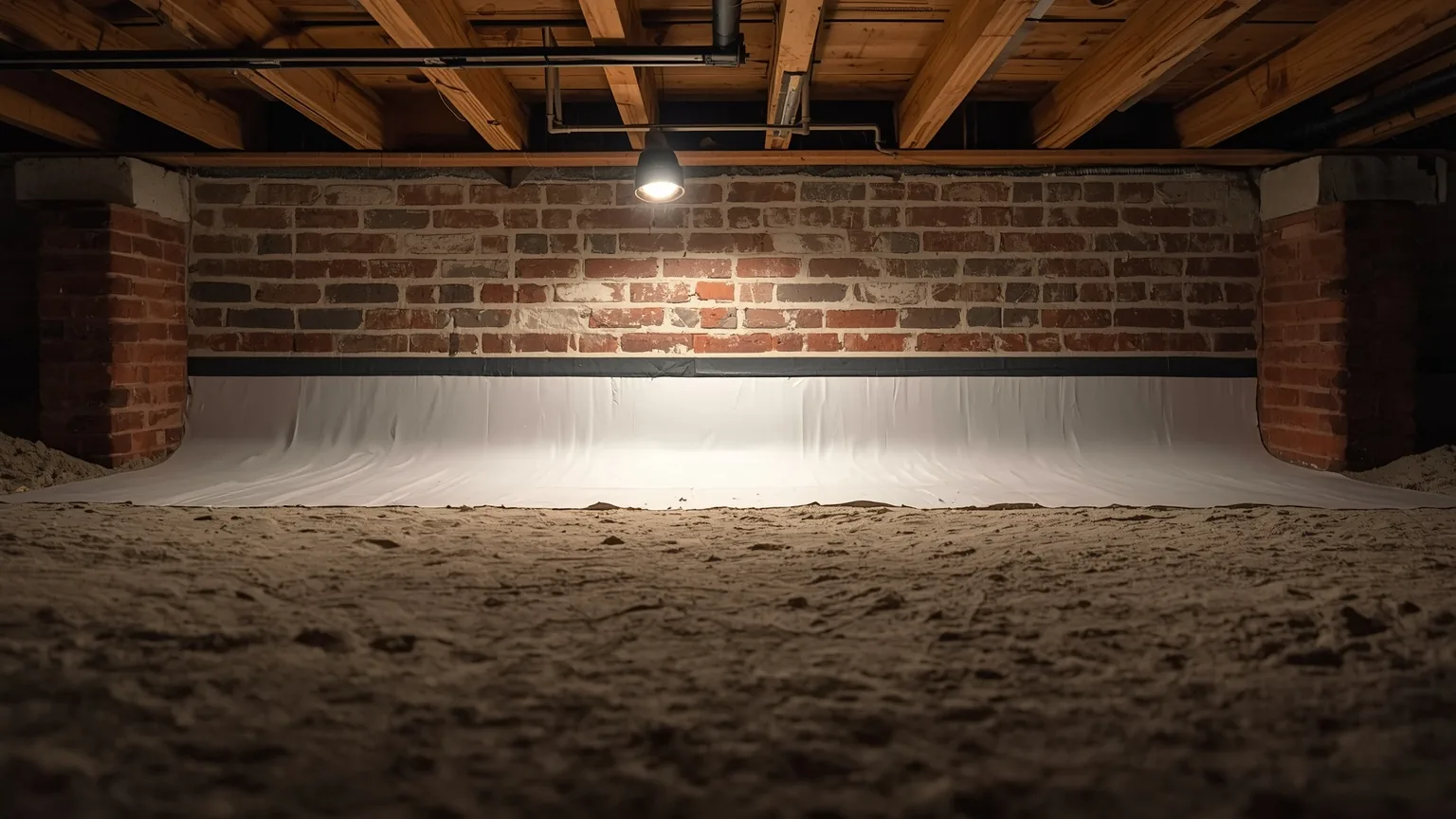
Crawl Space Encapsulation
The full sealed system — liner, closed vents and humidity managed afterwards.
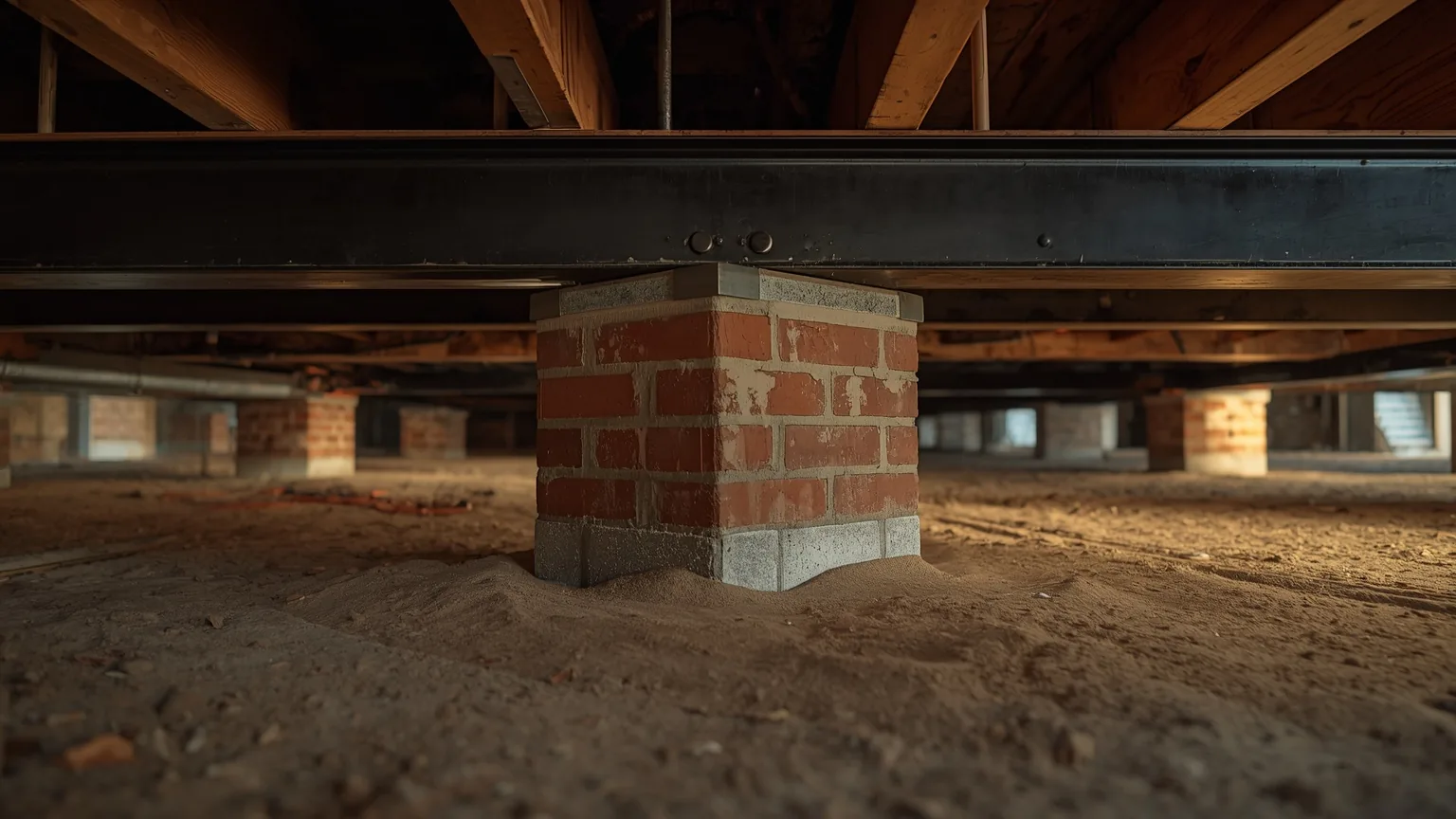
Crawl Space Repair
Framing, girders and supports — assessed with readings, fixed after the water.
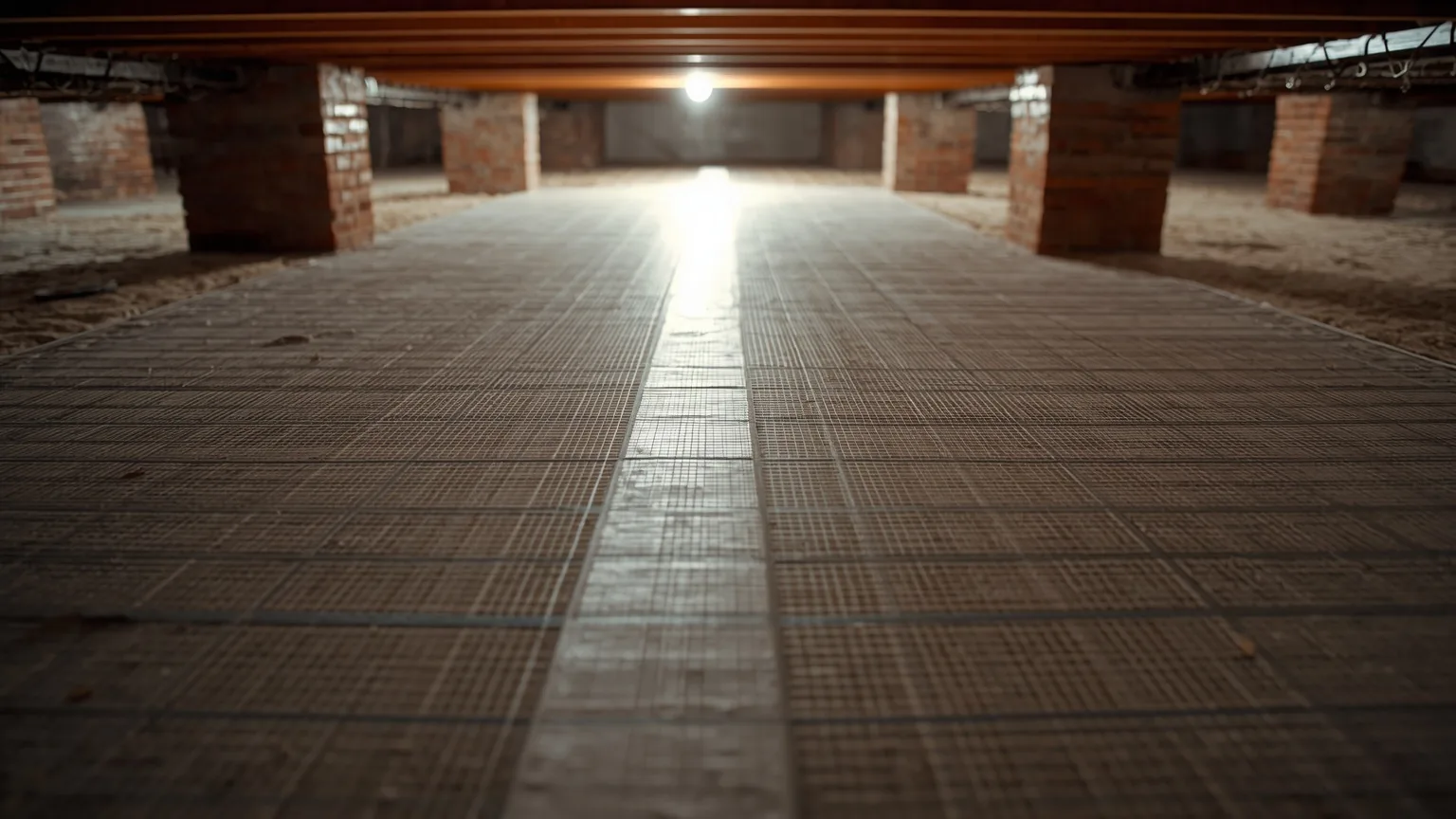
Crawl Space Moisture Control
Which of four sources you actually have, and what that means you should buy.
Crawl Space Cost
What moves the figure here — and the questions that make quotes comparable.
Find out what is actually causing it.
Someone under the house, moisture readings taken, and the scope written down before a price is attached.