
Crawl Space Encapsulation in Summerville, SC
Encapsulation closes the crawl space off from the ground and the outside air, then manages the humidity that is left. In this climate it is often the right answer — but only once any liquid water has been dealt with.
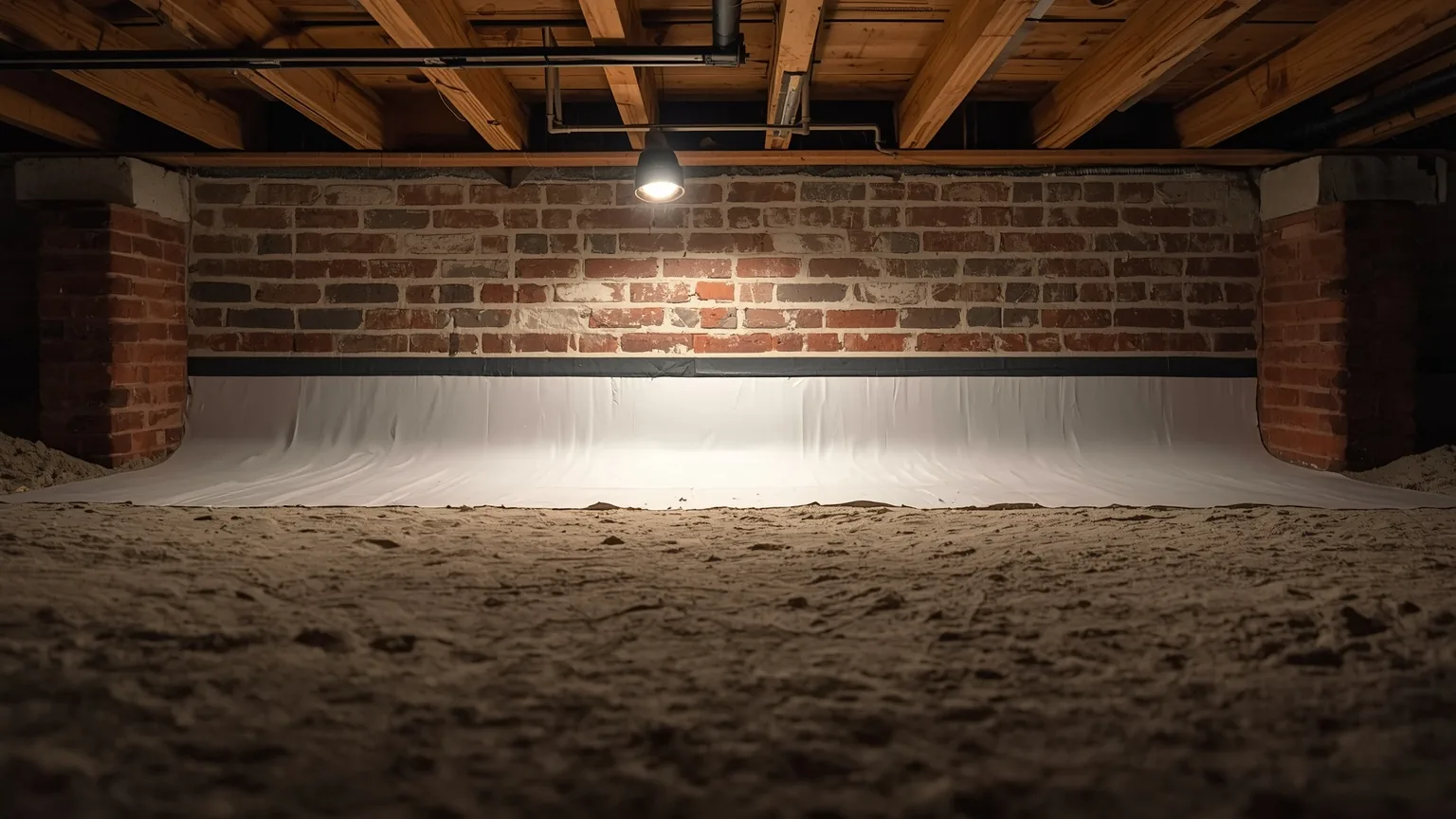
Who handles crawl space encapsulation in Summerville, SC?
Summerville Crawl Space Solutions arranges crawl space encapsulation across Summerville and nearby Dorchester County communities. Encapsulation means a sealed liner over the ground and up the walls, vents closed, and humidity actively managed — not a sheet of plastic laid over the dirt. South Carolina's residential code specifies the liner and requires a drying method when the vents are closed, which is worth checking on any quote. Call (843) 428-8285 to arrange an evaluation.
What encapsulation actually includes
A sealed system is a liner across all exposed ground and up the foundation walls, seams lapped and sealed, the vents closed, and a means of keeping the sealed air dry. Each of those four parts is doing a different job, and a quote that only prices the first one is not pricing encapsulation.
The liner is the part people picture. The drying method is the part that decides whether the result holds.
What homeowners usually notice first
Almost none of it is noticed in the crawl space. It shows up as a musty smell on the ground floor in summer, floors that feel cool and slightly damp, insulation that has come loose and is hanging, or condensation beading on ductwork when the air conditioning runs hard.
Because air moves upward through a house, the crawl space is often the last place anyone looks and the first place the problem started.
Where the moisture is usually coming from
There are only four realistic sources: humid outside air condensing on cool surfaces, water vapour rising from open ground, liquid water entering from outside, or a plumbing leak. They look similar once the damage is done and they call for completely different work.
Getting that identification wrong is the expensive mistake, because sealing a space that has liquid water in it hides the water rather than stopping it.
What affects the cost
No honest figure exists before someone has been under the house, but the things that move it are predictable: the square footage of ground to be covered, the clearance available to work in, how the access opening is sized, the liner thickness specified, whether the walls are lined as well as the floor, whether drainage or a sump has to go in first, and which drying method is used.
Clearance is the one that surprises people. Material cost barely changes between a space you can kneel in and an eighteen-inch belly crawl of the same area — labour changes a great deal, and labour is most of the bill.
Encapsulation, vapor barrier or repair — which one you actually need
Encapsulation, a vapor barrier and crawl space repair get used interchangeably and they are three different purchases. A vapor barrier covers the ground and stops soil moisture evaporating upward; it is the cheapest meaningful step and on a dry, tight space it is sometimes all that is warranted. Encapsulation adds the walls, the vent sealing and the mechanical drying, and it is what changes the humidity the house actually sees.
Repair is a different category again — it addresses framing or supports that moisture has already damaged. Repair comes before sealing, never after, because sealing over compromised framing simply puts a liner between you and the problem.
When to get an evaluation rather than a quote
If there is standing water, if the framing reads wet on a meter, or if nobody has actually been under the house, what is needed first is an assessment rather than a price. A useful one produces moisture readings at several points, an identified water source, and a written scope in sequence.
A per-square-foot rate quoted before any of that has happened is a guess with a decimal point in it.
Why the ground under a Summerville house behaves the way it does
Much of Dorchester County sits on sandy Coastal Plain soils, which can take surface water quickly. That is often read as good news for a crawl space, and it is only half the story — quick surface drainage does not rule out a seasonally high water table, and in some homes that is what keeps the ground under the floor damp weeks after the last rain.
Clemson Cooperative Extension's Home & Garden Information Center publishes South Carolina-specific guidance on crawl space moisture and on the wood-destroying insects that tend to follow it. It is a better starting point than any contractor's brochure.
Crawl Space Encapsulation questions
How much does crawl space encapsulation cost in Summerville?
There is no honest number before someone has been under the house. What drives it is square footage, clearance, access size, liner specification, whether walls are included, whether drainage has to go in first, and which drying method is used. The cost page sets out the questions that make two quotes genuinely comparable.
Does South Carolina's code actually require anything specific?
Yes. Section R408.3 of the residential code covers sealed crawl spaces — it requires a Class I vapor retarder over the exposed ground with joints lapped and sealed, and it permits the vents to be closed only alongside one of the listed drying methods. It also expects a termite inspection strip to stay visible.
Is a vapor barrier enough on its own?
Sometimes. On a space that is dry, reasonably tight and free of liquid water, covering the ground removes a continuous moisture source for a fraction of the cost of sealing. What it will not do is change the humidity of air already coming in through open vents.
Will sealing the vents cause a problem?
Not when a drying method goes in with it — that pairing is exactly what the code section requires. A space sealed with no way of drying the air inside it is the failure mode the requirement exists to prevent.
Do you do the work yourselves?
No. Summerville Crawl Space Solutions is an advertising and lead-routing service. We connect homeowners with independent crawl space contractors, and the contractor who visits performs the work and holds the applicable licence and insurance.
Related crawl space services
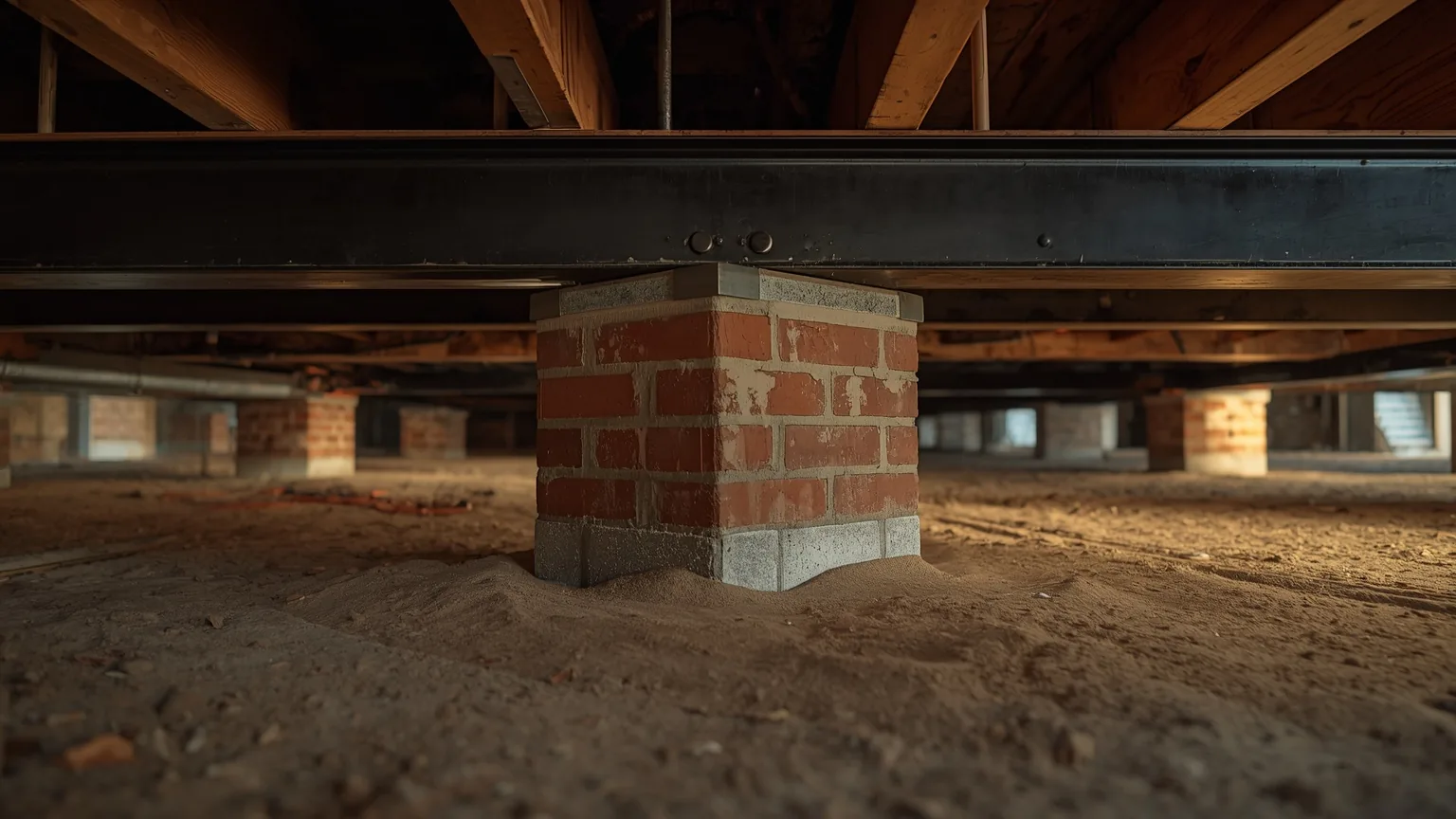
Crawl Space Repair
Framing, girders and supports — assessed with readings, fixed after the water.
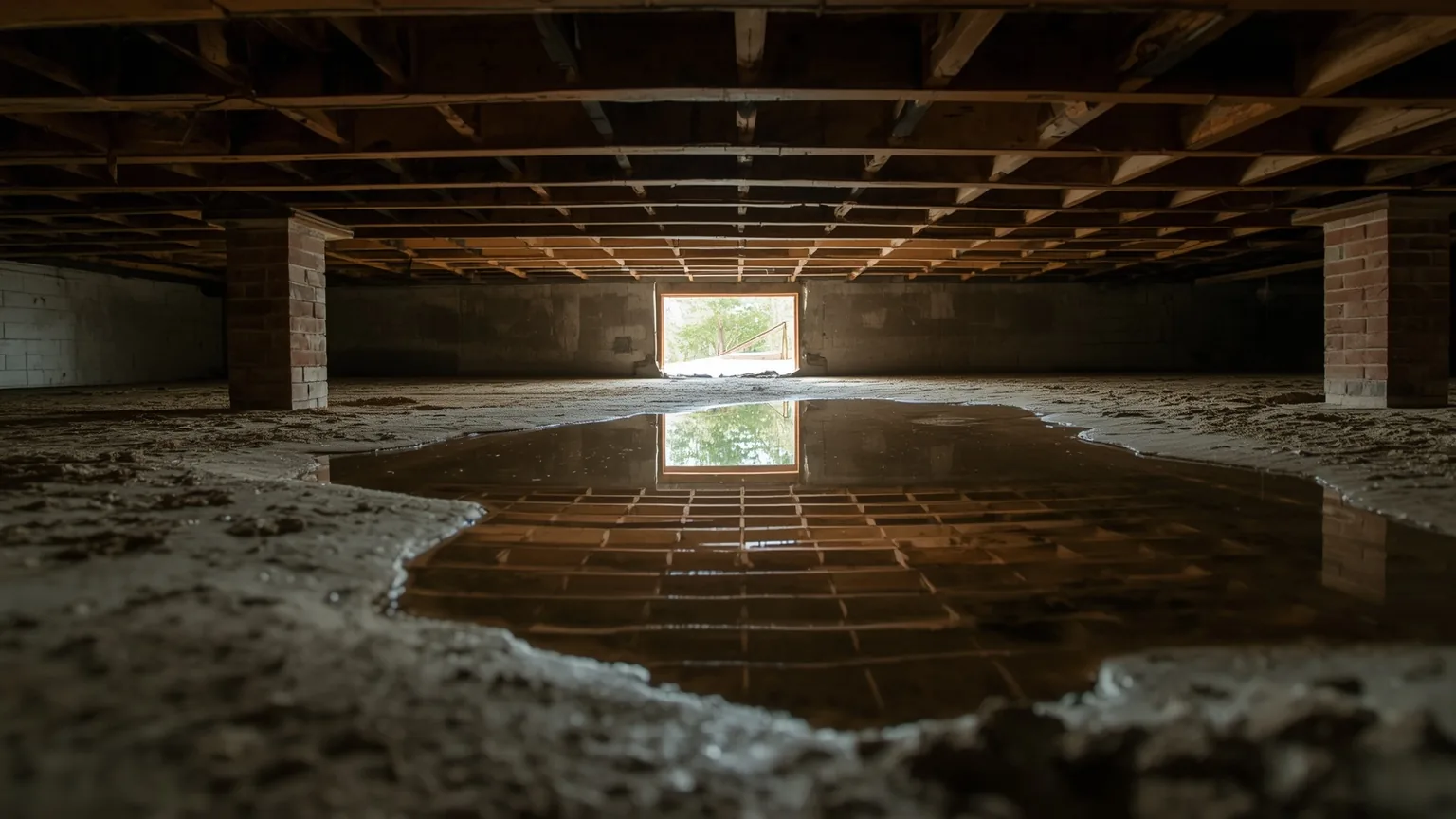
Crawl Space Waterproofing
Liquid water traced to its actual route in — then stopped, before sealing.
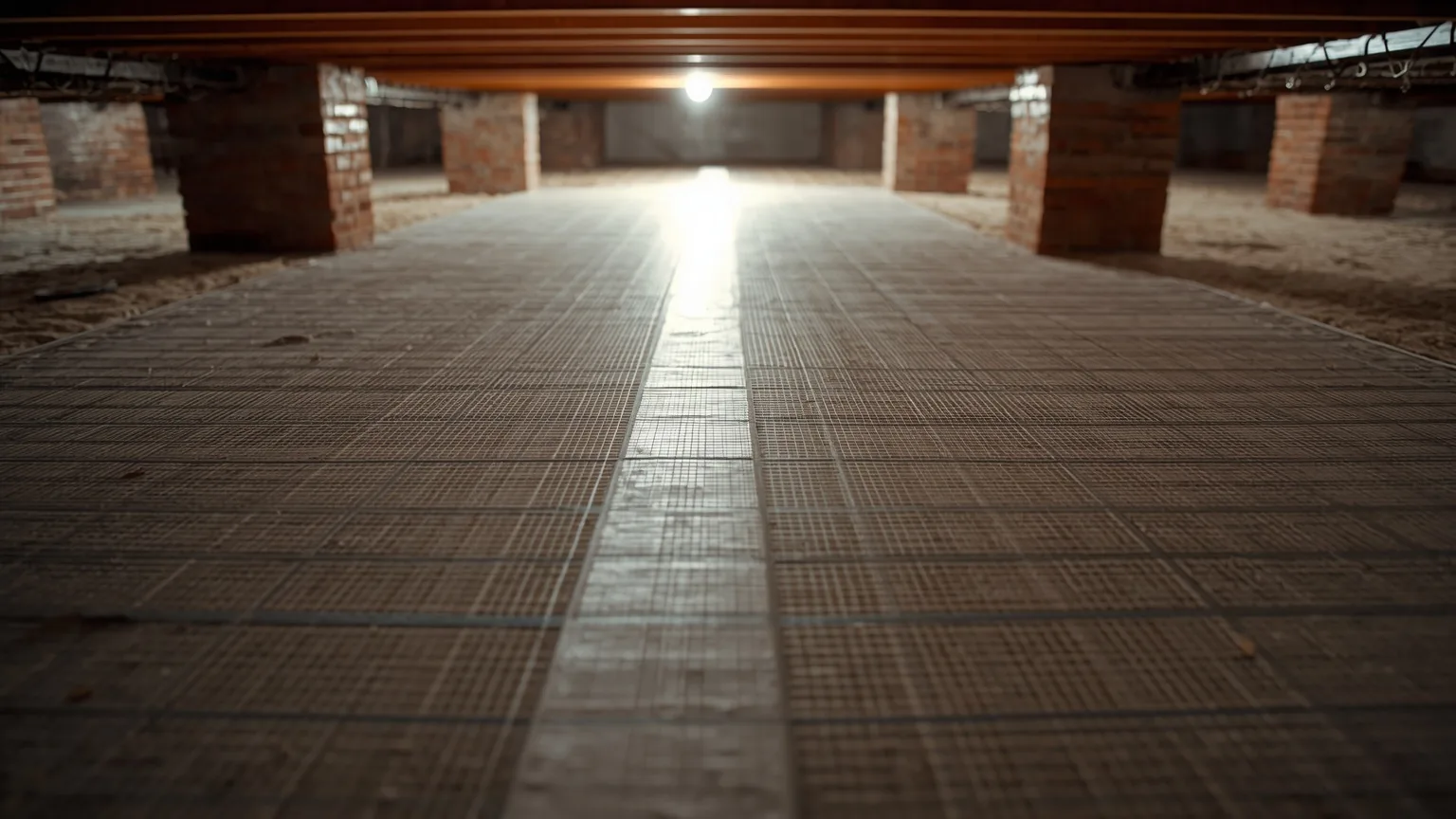
Vapor Barrier Installation
Covering the ground to the code specification — often the best-value first move.
Crawl Space Moisture Control
Which of four sources you actually have, and what that means you should buy.
Find out what is actually causing it.
Someone under the house, moisture readings taken, and the scope written down before a price is attached.